You must have regular cleaning based upon risk factors, food processing capacity, allergen concerns, and health inspections, combined with documented records demonstrating food safety protocols, regulatory audits, and government health requirements. The information below detail essential sanitation program components.
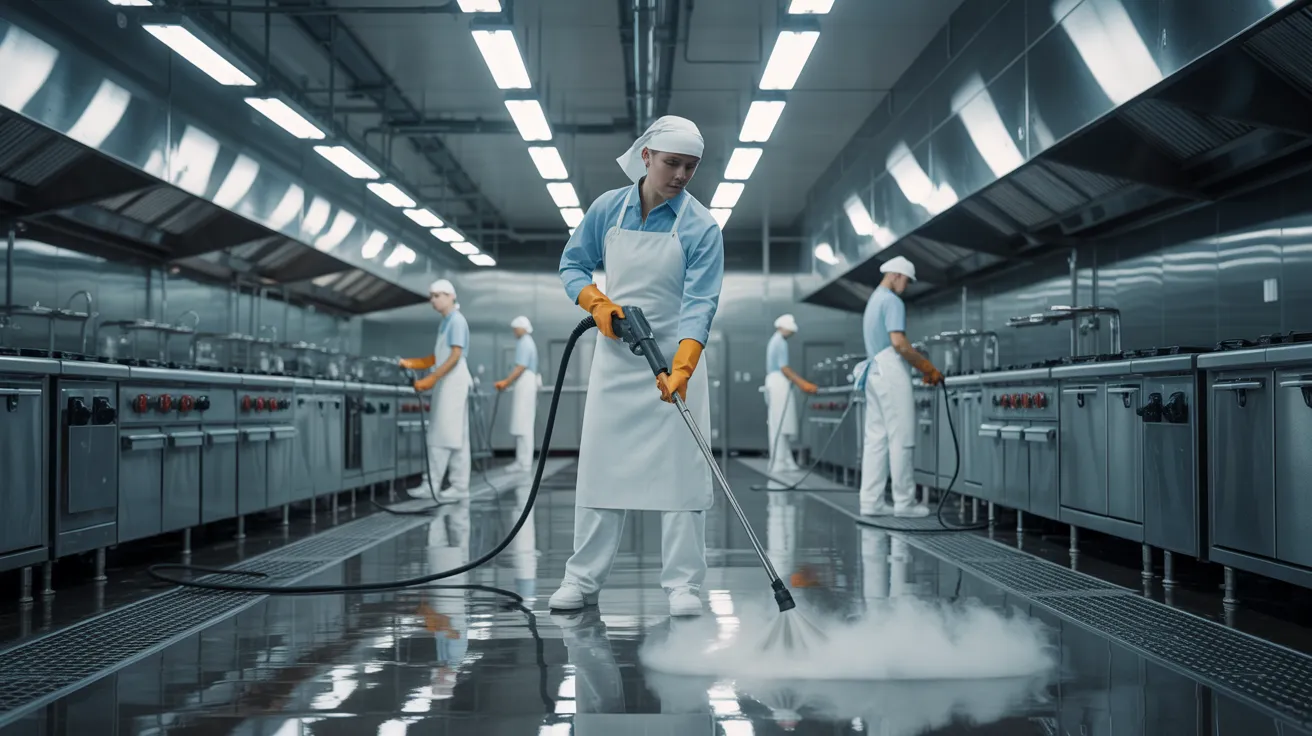
Important Highlights
- Brampton's sanitation specialists maintain restaurants, grocery departments, commissaries, warehouses, bakeries, schools, mobile vendors, and allergen-sensitive operations.
- High-touch surfaces, food-contact equipment, kitchens, floors, drains, restrooms, and storage areas are treated using zone-based workflows to prevent cross-contamination.
- Checking of approved sanitizer dilution, suitability, and exposure duration is executed by qualified providers, with conclusion recorded using tests, inspections, and correction logs.
- Threat, output capacity, switches, incidents, and requirements must inform sanitation plans, with routine, weekly, and annual operations allocated by section.
- Coverage, color-coded tools, HACCP, public-health knowledge, WHMIS education, references, and assessment-ready maintenance files are critical provider characteristics.
Brampton Venues That Need Food Safety Cleaning: Which Ones?
Any Brampton facility that handles, maintains, prepares, packages, or offers food needs food sanitation. You must implement it if your business falls under public health inspection, food premises regulations, or internal HACCP-based controls. That requirement covers food service venues, employee cafes, supply centers, retail departments, meat shops, fish areas, local stores, and institutional food prep areas.
Documented food sanitation is also necessary in storage warehouses, production plants, freezer facilities, bakeries, school nutrition services, reception halls, and meal delivery centers. Mobile and temporary operations matter too, such as catering trucks, festival vendors, and pop-up food booths. Your location must have recorded sanitation procedures if your workers prepare supplies, portion completed foods, reheat products, or manage allergen records. In Brampton, cleanliness is not discretionary; it forms lawful, operational, and customer protection adherence.
Which Areas Do Brampton Cleaning Experts Cover?
You need cleaning experts who disinfect frequently contacted areas, kitchen areas, floors, and bathrooms to comply with food safety and health regulations. They target these areas because they pose the greatest danger for cross-contamination, slip hazards, and hygiene violations.
By knowing exactly what gets cleaned, you are able to confirm your operation's sanitation protocols satisfy all operational and regulatory requirements.
Disinfecting High-Touch Surfaces
develop a disinfection frequency
following directional systems, and dividing cleaning materials according to section
Food Prep Areas, Flooring, and Sanitary Facilities
Brampton cleaning services focus on kitchens, floors, and restrooms as each zone presents different sanitation, accident, and public health risks. In industrial kitchens, you need degreasing on cook lines, equipment exteriors, drains, prep surfaces, and splash zones to minimize bacterial growth and pest activity.
Professional floor care with documentation is also included. is also provided as part of the service.
For restroom sanitation, cleaners disinfect touchpoints, fixtures, partitions, dispensers, and waste containers, then replenish amenities and manage odor. They also maintain restaurant cleaning supply rooms where product storage, sink cleanliness, and drain systems impact daily sanitation standards and worker protection.
How Food Safety Cleaning Benefits Brampton Operations
In Brampton, you must copyright sanitary cleaning practices to meet regulatory standards and pass inspections. You also reduce cross-contamination by cleaning and sanitizing food-contact surfaces, equipment, and high-touch areas correctly. Most importantly, you help protect public health by lowering the risk of foodborne illness in your facility.
Sanitary Standards Adherence
Brampton food businesses must comply with stringent health requirements, so food safety cleaning is essential to meeting health codes, defending customers, and preventing penalties. You must maintain clean food preparation areas, recorded sanitation plans, appropriate product handling, and documented employee protocols that meet municipal and provincial review inspection expectations.
During regulatory assessment of your operation, inspectors assess whether your cleaning procedures facilitates proper stock preservation, tool sterilization, trash control, and restroom sanitation. Strong cleaning records allow you to demonstrate due diligence during inspection audits and indicate that your procedures are standardized, replicable, and documented.
Contamination Management
Adhering to health code standards requires your expertise in stopping cross-contamination throughout routine preparation and sanitation work. You need to isolate uncooked items from finished products, sanitize work stations after each task, and store cleaning supplies separately from food. Organized systems minimize contamination events and maintain ongoing regulatory adherence.
You might establish allergen separation to prevent priority allergens from contacting common areas, containers, or machinery. Use dedicated cutting boards, color-coded tools, and rigorous tool identification so staff don't mix items during preparation or service. Mandate handwashing after handling uncooked meat, fish, egg products, or allergens. Swap cleaning rags frequently, and test disinfectant concentration using strips. When you train staff to follow these controls every shift, you develop a more sanitary, secure business that matches Brampton's safety requirements daily.
Public Health Protection
If proper sanitation declines, you don't merely face potential inspection issues—you boost the probability of pathogenic contamination harming customers, staff, and the broader Brampton region. You also weaken your role in safeguarding community wellness, especially in high-traffic food premises where contamination can spread quickly through surfaces, equipment, and touchpoints.
You need cleaning protocols that remove contaminants, sanitize effectively, and validate outcomes. This requires following exposure durations, using authorized sanitizers, documenting procedures, and educating staff to meet regulatory requirements. These controls promote pathogen control by minimizing pathogens before reaching surfaces or food. Throughout Brampton, strong cleaning safeguards susceptible populations, reduces outbreak risk, and proves accountability. When you follow proper protocols, you go beyond requirements—you mitigate risk and enable safer food service throughout the area.
How Can Cleaning Practices Ensure Food Safety Compliance?
Establishing thorough cleaning protocols backs food safety compliance by lowering contamination exposure, controlling pathogen growth, and ensuring your facility complies with sanitation requirements under HACCP-based programs and public health regulations. You confirm that contact surfaces remain visibly clean and microbiologically controlled, enabling documented preventive controls and inspection readiness.
Cleaning efforts additionally fortify allergen mitigation by removing residues that can cause undeclared allergen exposure.
Finding When to Schedule Commercial Cleaning
You'll get the best results from cleaning plans that reflect risk factors, production rates, and compliance obligations rather than a rigid calendar system alone.
promotional occasions, catering services, or public events need to arrange cleaning prior to and after for successful event transition. Document timing, confirm completion, and modify plans when hazards, volumes, or regulations change
Finding Quality Brampton Cleaning Experts: A Guide
Evaluate providers first by sanitation compliance standards rather than cost. You must ensure each provider understands CFIA, public health, and HACCP-aligned expectations for your business. Request proof of insurance, WHMIS compliance, staff training documentation, and supervision methods. Check technician understanding of contamination prevention, chemical handling, and traceable sanitation records.
You should further examine service consistency and accountability. Request references from food facilities in Brampton, then review response times, corrective-action procedures, and communication standards. Validate the company facilitates supplier audits and can supply compliance documentation to authorities or third parties. Confirm equipment receives maintenance, color-coded implements are applied correctly, and site-specific hazards are recognized. A qualified provider protects compliance, product integrity, and your reputation in the market.
Which components are part of a hygiene cleaning program?
Write out a framework that outlines every sanitation task, standard, and responsibility before starting production. You should record cleaning schedules, approved products, ratios, contact periods, tools, and validation approaches for each area, surface, and device. Remember to add pre-operational inspections, corrective actions, and employee training requirements.
Your strategy should also address cross-contamination controls, waste handling, pest-prevention measures, and documented schedules for restrooms, drains, floors, and food-contact areas. Outline how you'll separate raw and ready-to-eat processes, support ingredient tracking, and maintain accurate allergen labeling through validated cleaning between product changes. You should assign accountability, document signed records, and evaluate results against regulatory standards, HACCP controls, and customer requirements. When gaps appear, update procedures immediately and retrain staff.
Frequently Asked Questions
Do cleaning services operate during nighttime hours at Brampton properties?
Yes, you can schedule cleaning services to support nighttime operations in Brampton facilities. You'll arrange nighttime cleaning around production windows, access controls, and personnel needs. Providers typically map overnight procedures to minimize interruption, maintain compliance, and document completed tasks. You should confirm response times, oversight, lockout procedures, and disposal methods before service begins.
Are hazard containment solutions provided from sanitation professionals?
Yes, you can find many Brampton sanitation experts offering spill containment services. They handle contamination, assess dangers, isolate zones, and execute rapid cleanup to minimize risk and limit operational impact. You should confirm timeframes, training credentials, safety measures, and disposal methods. If your facility needs compliance, choose a service that documents incidents, follows procedures, and supports audits.
Will green disinfectants clean safely food preparation areas?
Definitely, eco-friendly disinfectants operate safely on food-handling equipment if you source solutions certified for food use that comply with regulatory compliant. You must confirm exposure duration, mixing proportions, and rinse requirements ahead of deployment. Natural-based solutions lower toxic chemical contact, but you need confirmation of performance against specific pathogens. To ensure residue free surfaces, adhere to manufacturer directions precisely and validate your cleaning agent complies with food industry regulations.
Will sanitation programs adjust for seasonal shifts?
Without question, sanitation programs customize readily for production fluctuations. Modify timing, staffing, sanitizers, and testing procedures to align with operational cycles while upholding regulatory compliance. Minimize equipment downtime by planning sanitation amid line changes, peak volumes, and operational patterns. Also update procedural documents, employee training, and environmental testing to capture temporary risks, novel allergens, or higher contamination levels. Regular reviews preserve the program functional.
Will commercial cleaners teach your staff on sanitation best practices?
Absolutely, commercial cleaners regularly deliver employee education on sanitation best practices. Your staff gets instruction on proper chemical use, dwell times, contamination avoidance, machine takedown, and documentation. They generally match instruction with HACCP, GMP, and CFIA or local public health requirements. Many also perform sanitation audits to verify compliance, identify gaps, and strengthen corrective measures. This helps you maintain consistent procedures, clear audits, and reduce food safety risks consistently.
Final Thoughts
When you partner with Brampton food safety and commercial cleaning specialists, you don't just tidy up—you keep your operation audit-prepared and your protocols above board. From processing areas to kitchen spaces, every polished surface and maintained area helps reduce pest intrusion and avoid expensive problems. By arranging cleanings at the proper frequency and adhering to a detailed cleaning schedule, you safeguard employees, customers, and your brand image. In a strict regulatory setting, clean spaces aren't optional—they're fundamental to proper operations.